

 Op werkdagen voor 21.00 besteld, morgen in huis
 Gratis thuisbezorgd vanaf € 90,-
If you are reading this, it is likely that your cholesterol is on the high side, that you are taking statins or are about to do so. And that you experience side effects or are concerned about possible side effects.
Here I give you background information about cholesterol and the important role it plays in our body. In addition, you can read in this blog what you can do to control your cholesterol level and keep the quality of your blood vessels and your cholesterol as good as possible.
Cholesterol has a bad reputation and is seen as the cause of blood vessel narrowing or artherosclerosis.
High cholesterol is seen as a risk factor for cardiovascular disease. And if you have high cholesterol in combination with 1 or more other risk factors, it is likely that your doctor has prescribed statins at some point.
1.5 million The Dutch use statins.
However, statins can have all kinds of possible unpleasant short and long-term side effects, such as damaging the liver, poisoning muscles and resulting reduced muscle function and also kidney failure.
No less than 20% of all statin users in the Netherlands suffer from muscle pain as a result of statins. These muscle pains are sometimes so debilitating that they occasionally interrupt statin intake or stop it completely.
The results of animal studies even suggest that statins may be carcinogenic. And yet the risk of dying from cardiovascular disease is hardly reduced by the use of statins.
Statins are increasingly prescribed and have become an absolute mega-industry in the last 20 years. Be aware of the enormous stakes involved in ensuring that we use statins as much as possible. Perpetuating the negative image of cholesterol and the medical world's relentless focus on cholesterol levels and the importance of lowering them therefore serves the commercial interests of Big Pharma.
But don't these commercial interests obscure what really matters? Understanding the causes of blood vessel constriction and how to tackle it?
The underlying cause of blood vessel narrowing is not so much high cholesterol, but the deterioration of the quality of your blood vessels over the years. This decline is partly caused by chronic inflammatory reactions in your body.
In this blog I will go into more detail about:
- how you can reduce damage to your blood vessels, thereby limiting the deposition of cholesterol as much as possible.
- how you can protect the previously precipitated cholesterol as much as possible against oxidation and inflammatory reactions so that it remains “calm”.
- and how to improve the composition of your cholesterol as much as possible.
I like to shift the focus from the amount of cholesterol to the quality of your blood vessels and the quality of your cholesterol. With this shift in mindset, you will see that the reason to use medications such as statins also fades.
Below I share 10 tips that will help you lower your cholesterol, increase “healthy” cholesterol and better protect cholesterol deposited in your blood vessels against oxidation and release without medication.
Why does cholesterol deposit in our blood vessels?
Cholesterol does not simply deposit on the artery wall. Otherwise, we would likely find plaque build-up in places where blood flows less quickly. But the opposite is true.
Plaque build-up mainly occurs in places where our blood flows fastest and most powerfully, such as the arteries, especially the coronary arteries. So something else is going on.
A possible explanation for the build-up of plaque in only certain places in our arteries is that it is preceded by damage.
Arteries are under incredible pressure, expanding and contracting with each heartbeat. About 35-40 million times a year! They must be strong and flexible and remain so in the long term. The strength and flexibility is provided by collagen, which, like the rest of our body, forms a flexible network in our vessel walls. No less than 15% of our arteries consist of collagen.
 If the amount of collagen decreases, for example due to lifestyle and/or age, or if the quality is not sufficient, the flexibility of the arteries will decrease. This will be noticeable first in the places most exposed to pressure – the coronary arteries.
Small cracks will form there. And those cracks are filled with cholesterol.
The precipitation of cholesterol is a measure our body uses to repair our blood vessels if insufficient collagen can be used. So if you want to limit the deposition of cholesterol as much as possible, keep your blood vessels in good shape!
How do I keep my collagen at a good level and of good quality?
You can get collagen through food.
Think of sinewy and juicy meat or a supplement such as fish collagen. But you can also create it yourself from other building blocks. A prerequisite for good collagen production is that you consume enough vitamin C. Without vitamin C you cannot produce collagen.
In the past, sailors on long voyages died from a lack of collagen due to vitamin C deficiency. That was called scurvy .
The average Dutch person consumes approximately 80 mg of vitamin C per day. That's too much to get scurvy but not enough to produce enough collagen. And that makes us age faster. We live with hidden “scurvy” symptoms, so to speak.
The more vitamin C, the more collagen we can produce. The more collagen, the stronger, more flexible and smoother all kinds of tissues in our body such as our skin and our vein walls.
The lower the risk of cracks and therefore cholesterol deposits and therefore less arteriosclerosis.
So consciously include more vitamin C in your diet.

Think of:
- Bell pepper,
- Black berries,
- Broccoli,
– parsley,
– chicory and
– sprouts.
They even contain more vitamin C than citrus fruits.
And also take a vitamin C supplement, preferably a few grams per day.
Reduce the risk of chronic low-grade inflammation
Despite beautiful blood vessels, things can still go wrong here and there. For example, infections may occur. Your immune system responds immediately to this and sends soldiers to tackle any damage.
This leads to an inflammatory reaction in, for example, a blood vessel.
As a result of this inflammatory response, your heart rate increases, your blood pressure increases and your blood clotting ability increases. Your immune system also draws in a lot of energy by temporarily making many of your organs insulin resistant.
Inflammatory responses are good.
It is our body's natural response to address and resolve threats. However, it becomes a problem if after the work is done, the inflammation is not properly eliminated by the body. The inflammation continues and becomes chronic.
This continuous state of inflammation is called chronic low-grade inflammation.
In the longer term, this can lead to health problems such as high blood pressure, cardiovascular disease, diabetes, cancer, depression, dementia, reduced fertility, etc.
How do you prevent chronic low-grade inflammation?
Well, it is a consequence of our modern diet, lifestyle (smoking, little exercise, overweight), stress and sleep deprivation.
The root cause in our diet is:
– a shortage of fats and protein and at the same time a surplus of carbohydrates
– an excess of the wrong fats (trans and saturated fats, omega-6)
– a major chronic shortage of good fats (omega-3 and omega-9)
– an excess of carbohydrates as a whole and simple sugars in particular
Carbohydrates are broken down in the intestine into simple sugars such as glucose.
Glucose is toxic to our body. That's why we have the pancreas. As soon as glucose is detected in the bloodstream, the pancreas produces insulin. This ensures that our cells absorb glucose more quickly to remove it from the bloodstream as quickly as possible.
Too much glucose or insulin resistance leads to inflammation in the blood vessels and, after processing excess glucose, to saturated fats in the liver and to an increased triglyceride level in the blood.
The polyunsaturated fats omega-6 and omega-3 are particularly relevant in controlling inflammation.
Omega-6 is an inflammation accelerator, omega-3 is an anti-inflammatory. Our diet contains 10-20x too much omega-6. In this way we maintain inflammation that actually needs to be reduced.
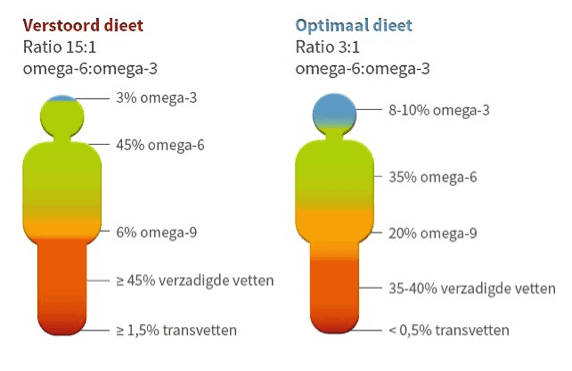 You can reduce Omega-6 by eating fewer processed food products that contain a lot of Omega-6 (nuts, seeds, meat, eggs, sunflower oil, peanut oil, etc.). You can increase your Omega-3 by eating oily fish and taking a good Omega-3 supplement.
Want to know if you're in the right place? Measure your omega-3 index. Read more here about what that index is and how you can easily measure it.
Now that we know how we can optimally protect our blood vessels against decay and inflammation, let's look at cholesterol and plaque.
What exactly is cholesterol?
Now let's understand cholesterol better.
It has been taught to me – at least for me as Generation X – that cholesterol is bad for you. And all my life I have been aware of my - according to the guidelines - high cholesterol levels.
We are terrified of it, but do we actually know what cholesterol is?
Cholesterol and triglycerides are the most important fats found in our blood. Too high a fat content can cause problems in the long term.
Cholesterol is a yellow-colored, fatty substance that your body produces in the liver. So you make it yourself, but you also get it from your diet. Cholesterol, for example, is found in food of animal origin such as meat, fish, poultry and dairy products. Plant-based foods do not contain cholesterol.
Blood consists of 50% water. Cholesterol, as a fatty substance, cannot simply be dissolved in it. Cholesterol is therefore bound to special proteins, the so-called lipoproteins. The two main lipoproteins are low-density lipoprotein (LDL) and high-density lipoprotein (HDL).
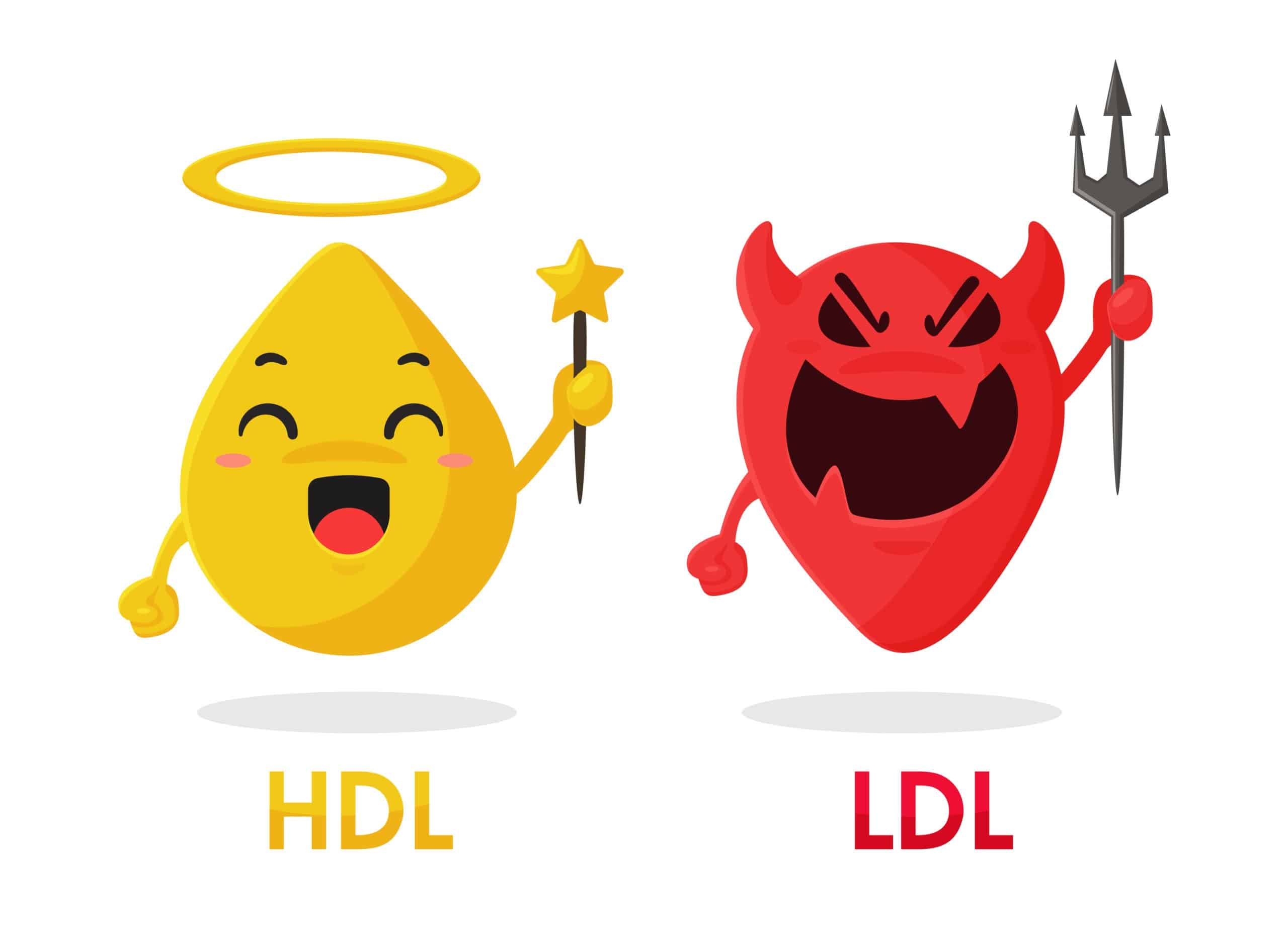 LDL is the main carrier of cholesterol. It transports cholesterol from the liver to the body. It is also called bad cholesterol because it is linked to cardiovascular disease. LDL can leave cholesterol on the arterial walls, forming a hard, thick layer called lipid plague. This causes the blood vessels to narrow and an infarction can ultimately occur.
HDL contains relatively much protein and very little cholesterol. HDL proteins have the role of absorbing and removing cholesterol from the vessel walls. They therefore offer protection against vasoconstriction. HDL transports cholesterol from the body to the liver.
It is therefore good to aim for a relatively high HDL cholesterol level because this reduces the cholesterol level in your blood.
What are the benefits of cholesterol?
Our body uses a large amount of cholesterol every day. We really need it. Cholesterol is as indispensable as water and air, and that is without exaggeration.
Cholesterol plays a role several important roles for the healthy functioning of our cells, hormones, healthy bones and teeth, immune system and digestion and therefore for our entire health. Without cholesterol we would not survive.
We desperately need cholesterol, because it is an indispensable part of our cell membranes.
The more cholesterol is built into the cell wall, the more flexible and fluid our cell walls are. They are more permeable, allowing our cells to communicate better with each other. And that is, for example, very good for our brain and nerve cells, which want to communicate with each other a lot, quickly and well.
Our brains, for example, are therefore really packed with cholesterol.
As much as 10% of dry brain mass is cholesterol. Our brain needs cholesterol to function properly. Breast milk contains a lot of cholesterol for the development of the baby's brain and nervous system.
Cholesterol is also the precursor of many hormones.
Such as our female and male sex hormones. These in turn are linked to fertility in men and women, good menstruation and a problem-free pregnancy. But also the stress hormone cortisol. This hormone increases our stress resistance.
In addition, cholesterol is the starting material for vitamin D to create.
Indispensable to keep bones and teeth healthy and protect against aging. Without vitamin D, we cannot properly absorb calcium in our diet. In addition, more and more research shows that vitamin D plays an important role in maintaining our immune system.
About 10% of our daily cholesterol consumption is for the purposes I just mentioned.
The other 90% is used for digestion. The liver filters excess cholesterol from the blood and delivers it to the gallbladder. The gallbladder empties itself into the 12-digit intestine as soon as fats or oils enter it. Bile including cholesterol is therefore essential for digestion.
That cholesterol is good stuff. But what do we know about healthy levels and composition of cholesterol?
What are healthy cholesterol levels?
As you consume more cholesterol, your body reduces its production. And the less we take in, the more is produced. Our healthy working body therefore strives for a certain balance.
That balance depends on who we are and what we do. It is therefore determined by our hereditary predisposition, but in most cases by our behavior. Our cholesterol level moves in a certain bandwidth around our “balance level”.
If we eat healthier and exercise more, we can significantly reduce the level within that bandwidth. Whether that level is sufficient according to the guidelines depends, among other things, on your hereditary bandwidth.
It is likely that you are more than aware of your cholesterol levels. It has probably already been measured in a blood test because it is a standard analysis that is done when your blood is tested.
According to the official guidelines, your total cholesterol level should not be higher than 5 mmol/l, with HDL higher than 1.7 mmol/l, and LDL lower than 2.6 mmol/l. The ratio between your HDL cholesterol and your total cholesterol is important.
If more than 25% of the total cholesterol is HDL, this is considered a healthy ratio.
Triglycerides, by the way, are often measured at the same time as cholesterol. The recommendation is that the value does not exceed 1.7 mmol/l. I'll just mention it here for the sake of completeness.
Your triglyceride level is mainly determined by the surplus of carbohydrates you eat. With 2 grams of pure omega-3 you can significantly reduce your triglyceride levels (think 30-40% after about 3-6 months).
If your cholesterol or triglyceride values are on the high side, they are seen as a risk factor for cardiovascular disease.
 Source: www.cholesterolvoorlichting.nl
Your doctor places the elevated cholesterol level in the context of other risk factors for cardiovascular disease. Here is an overview of the risk factors in priority order:
- Age
- Smoking
- LDL cholesterol (too much)
- High bloodpressure
- Overweight
- Diabetes
- Exercise (too little)
- Genetic predisposition
- Gender (male)
- Stress
- Food (unhealthy)
- Drugs (cocaine)
- Depression
- Air pollution
- Alcohol
(Source: Dutch Society for Cardiology )
If there are 2 or more risk factors for cardiovascular disease, the doctor will discuss a number of measures with you, depending on the cholesterol level:
- Is your cholesterol level slightly or moderately elevated? Then it is likely that you can go far with lifestyle adjustments.
- Is your cholesterol greatly increased? The doctor will then probably prescribe medications, so-called statins.
These statins will quickly reduce your cholesterol to a level that is seen as acceptable in your case by the established order.
How am I doing? Are my veins constricted?
We now know more about maintaining healthy blood vessels, preventing inflammation and more about the qualities of cholesterol.
Now it is important to know where we stand at the moment. Have we already built up plaque and if so, what can we do to protect it as much as possible and perhaps even reduce it?
If you want to know whether you have built up plaque and if you want to know the quality of that plaque, you should get tested. These tests go further than what your doctor will normally offer you and so you will have to be confident (in our case in the Netherlands) to achieve this.
As a basis, I will give you a number of tests that you can discuss with your doctor to determine together what is desirable in your specific situation.
Let me start with blood tests that can indicate an increased risk of cardiovascular disease:
- Cholesterol and triglyceride levels
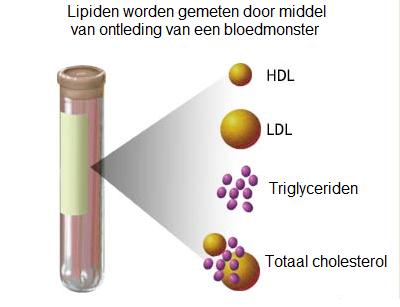
This is a standard test.
- Oxycholesterol content
Oxycholesterol is unknown to the general public and perhaps also to your doctor, but is much worse for the heart and blood vessels than the regular 'bad' cholesterol. It is an oxidized form of LDL cholesterol that is formed when fatty foods are heated.
Fried food is the best way to get it. The same amount of oxycholesterol in the diet leads to a significantly higher cholesterol level in the blood. Blood vessels clog up more quickly and become less flexible more quickly.
This test is not standard.
- Homocysteine content
An elevated one homocysteine value indicates a clearly increased risk of cardiovascular disease.
Homocysteine generally increases as a result of a vitamin B deficiency. Vitamin B11 (folic acid) and vitamin B12 deficiencies in particular can cause homocysteine increases.
Vitamin B12 is also related to the maintenance of healthy blood vessels. Therefore, eat food rich in vitamin B. Think of grains, fruit, beans and leafy vegetables.
This is not a standard test.
- Testosterone content
Research has shown that men under the age of 50 have a low testosterone levels age faster and have a significantly higher risk of cardiovascular disease than men with normal testosterone levels.
But there are also risks for women if they have extremely low testosterone levels.
For a man, a normal testosterone level is higher than 12 moles per liter of blood. Men who have less than 8 moles per liter of blood have a serious deficiency. They actually always have to take testosterone therapy. They are then administered the hormone to supplement the deficiency.
This test is not standard.
To now determine very specifically and specifically whether there is plaque in your arteries and what the quality of this plaque is, investigate the following:
- Plaque in the coronary artery
This is a CT scan specifically aimed at the calcium build-up in the arteries around your heart. The CT scan will determine your... calcium score certain.
Is your calcium score clearly too high compared to people of the same sex and in the same age category? Then you can only say that it is likely that you have an increased risk of cardiovascular disease.
That is something to think about, especially for people who also have other risk factors, such as smoking or diabetes.
This is not a standard test.
- Lp-PLA2
The enzyme Lp-PLA2 is produced by inflamed plaque. Plaque that is “troubled” can come off and so means a more immediate risk on cardiovascular disease.
This enzyme is unique and is only produced around plaque and is therefore specific to blood vessels, unlike the other inflammation indicators.
Classic risk factors such as cholesterol and blood pressure may be completely normal, but high Lp-PLA2 activity indicates an increased risk of infarction.
Do you have more than 2 risk factors but normal cholesterol, triglyceride levels and good blood pressure? Then a determination of the Lp-PLA2 activity can provide important additional information.
Again not a standard test.
By taking these tests you know how you are doing and that gives you a good starting point to take further action.
What can you do now to lower your cholesterol, improve the composition of your cholesterol and protect the cholesterol that has been deposited in your arteries against oxidation and therefore release?
10 tips to lower cholesterol without medication
By taking these tips to heart, your total cholesterol level will be lower and the composition of your cholesterol will improve. At the same time, your blood vessels and the cholesterol that has been deposited are better protected against oxidation and inflammation.
So you can immediately benefit from the tips below, greatly improve your blood values, and then discuss them with your doctor. And if it looks good, you can reduce or even stop your statin intake in consultation with him/her.
Tip 1 to lower high cholesterol: Exercise more
Exercise at least 2.5 hours per week (children even 1 hour per day). That's the exercise guideline of the Health Council for adults.
44% of Dutch people achieve this according to the RIVM not this guideline!
Top sport is not necessary, but moderate intensity exercise is. Make sure that your heart rate and breathing accelerate significantly while moving. For example, you can walk, cycle or swim. For example, walk around the neighborhood for half an hour every day after dinner. Or take the stairs instead of the elevator.
Sufficient exercise has a good influence on your cholesterol levels.
Take every chance you get to get moving!
Tip 2 to lower high cholesterol: Lose excess weight
Are you overweight? By losing weight you lower your cholesterol.
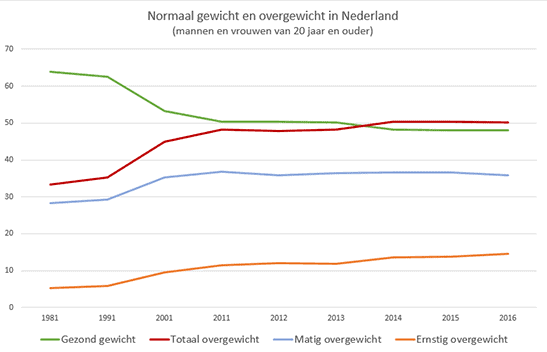 Source: Nutrition Center
According to the Nutrition Center, 50% of Dutch people were overweight in 2016, of which 14% were seriously overweight.
You lose weight by eating healthier, less and better food in combination with more exercise.
Ask a dietitian for help if you find it difficult to lose weight, but take action.
Tip 3 to lower high cholesterol: Limit or stop alcohol intake
Alcohol (just like sitting or not exercising much, by the way) is the new smoking. The Health Council advises not to drink alcohol or to drink a maximum of 1 glass of alcohol per day. 40% of Dutch people adhere to this advice (30% of men, 50% of women).
As many as 8% of Dutch people consume alcohol excessively (10% of men, 6% of women). The standard for excessive use is 21 glasses per week for men and 14 glasses per week for women.
Limit your alcohol intake to a few drinks per week or stop it altogether.
Tip 4 to lower high cholesterol: Stop smoking
It Trimbos Institute advises people to quit smoking.
Smoking (nicotine) causes minor damage to the walls of your blood vessels and makes them rough. Your body reacts to this just like it does with wounds. Scabs are formed with the help of cholesterol, causing blood vessel constriction.
Do you want to quit smoking? Look up Thuisarts.nl .
Tip 5 to lower high cholesterol: Eat low in carbohydrates and focus on “brown”
Over the last 30 years, fats and proteins have been increasingly replaced by carbohydrates.
This is due to the link that was made between fat and cardiovascular disease in the 1970s without proper scientific substantiation. Fat in food was replaced by sugar and carbohydrates to give it energy value and make it taste good.
Meanwhile, the rise in obesity, diabetes and cardiovascular disease has been linked to this “anti-fat, pro-carb” movement.
On average, almost 30% of our current diet consists of carbohydrates. In any case, reduce that by half to our so-called primal diet - so a maximum of 15%. Replace carbohydrates with healthy fats and protein and make sure you eat “good” carbohydrates.
And at the same time move from “white” to “brown” carbohydrates. So from white to brown whole wheat bread, from white rice to brown rice, etc. And eat a maximum of vegetables, fruit, legumes and nuts (no peanuts).
“Sugar is poison and avoid white (white rice, white pasta, potatoes & chips etc) in your diet” is what my children are growing up with.
The Diabetes Fund provides good information about carbohydrates .
Tip 6 to lower high cholesterol: Change the fatty acid composition of your diet
There has been a shift from healthy to unhealthy fats within the fats we consume through our diet. Consider the importance of fried products in our society or the intake of margarine. Minimize these fats.
Build a healthy balance between saturated fats, trans fats, polyunsaturated fats omega-3 and omega-6 and monounsaturated fats omega-9. The Nutrition Center provides good background information .
Do you want to know what your fatty acid composition is?
You can read your eating behavior from the fatty acids built into your cell walls. And you can easily measure that.
Take Professor Von Schacky's Omega-3 Index test. This gives you insight into the 26 most important fatty acids in your cell walls with an explanation of what this means for your health and what you can do to improve your values.

Read more about this self-test here which you can easily do at home with a finger prick.
The most important principles to improve your fatty acid composition:
Avoid saturated fats: These are fats that solidify at room temperature. These are used, among other things, as building blocks for cholesterol. Saturated fat is found in snacks and animal products. For example in cookies, pastries and snacks. But also in bacon, sausage, full-fat cheese and whole milk products, butter and hard margarine.
Avoid trans fats and oxidized fats: These are fats found in fried products. Think of fries, chips, donuts, etc. But also margarine. These have a direct demonstrable link with cardiovascular disease.
Increase your intake of polyunsaturated fats omega-3 from fish: They help reduce inflammatory reactions in your arteries such as those that occur around plaque in a healthy way.
At the same time, reduce the intake of omega-6 polyunsaturated fats: Omega-6 fats actually stimulate inflammatory reactions in your blood vessels. You get this through vegetable oil such as sunflower oil and processed foods that often contain a lot of this oil.
Read more here about omega-3 and omega-6.
Increase your intake of olive oil: Olive oil contains monounsaturated fats, hydroxytyrosol that keeps blood vessels clear while other antioxidants and squalene lower LDL.
Tip 7 to lower high cholesterol: Eat legumes every week.
These include (chick, split, green) peas, lentils, capuchins, black, kidney or brown beans.
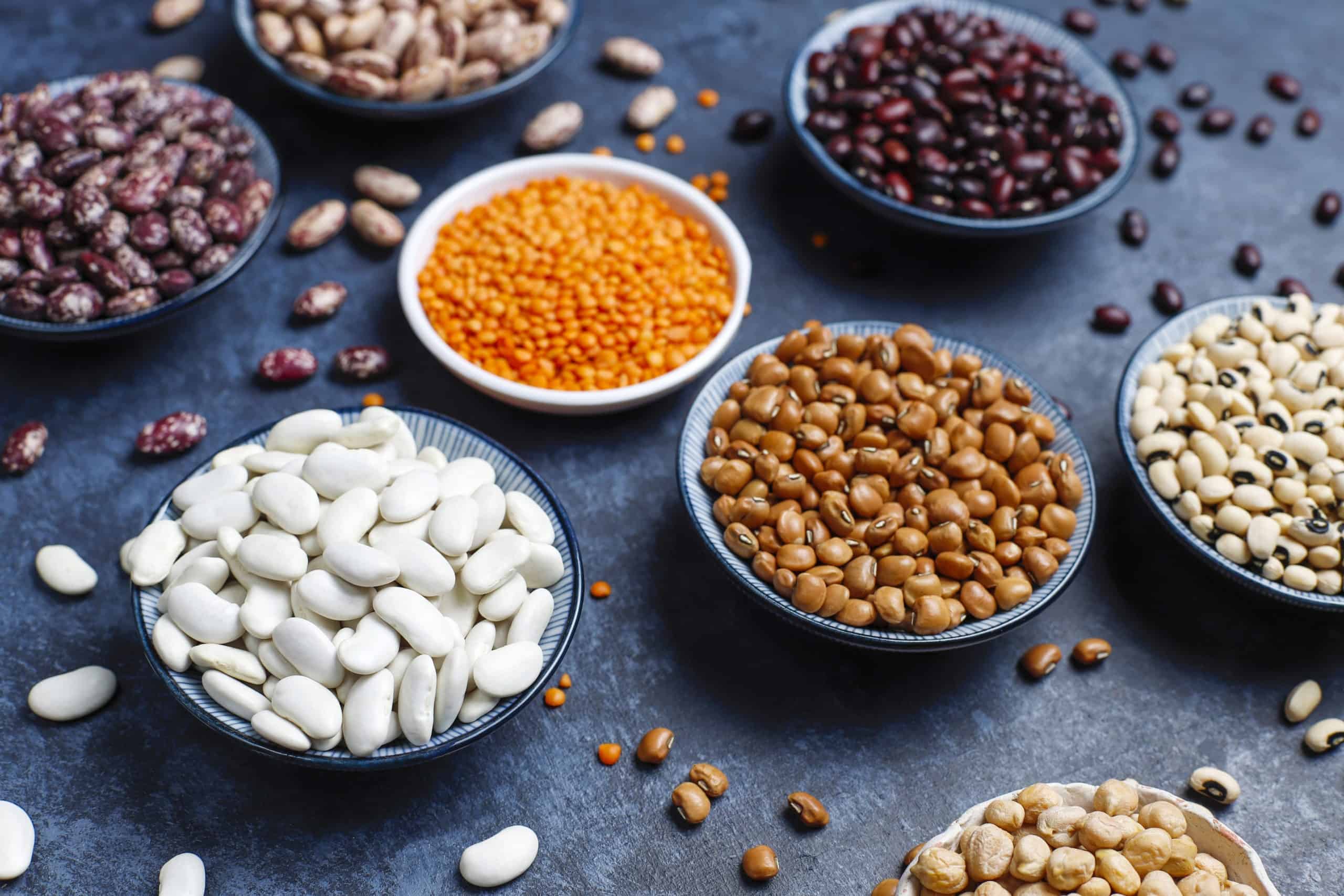
Legumes are good for the blood vessels and lower LDL cholesterol (the 'bad' cholesterol). They are rich in protein and can be used as a substitute for meat. It does contain carbohydrates, but they are of the good ("slow") kind.
The Nutrition Center provides extensive information about how you can alternate fish, meat and legumes to create a varied weekly menu.
Tip 8 to lower high cholesterol: Take a high-quality omega-3 supplement
An omega-3 supplement is a good addition to your diet. A good omega-3 level brings inflammatory reactions under control and reduces them when the good work is done.
This way you reduce the risk of chronic low-grade inflammation in your blood vessels and ensure that inflammatory reactions around plaque are controlled or prevented.

UnoCardio 1000 is the purest and most powerful omega-3 that can be prescribed by doctors and therapists in the Netherlands and has been number 1 in the US for years for the best quality and strength.
Take 2 softgels per day (more than 2 grams of pure EPA and DHA) until your omega-3 index is at least 8. This takes about 3 months.
Additional benefits: omega-3 is good for maintaining a healthy brain and eyes, healthy blood pressure and healthy triglyceride levels.
Tip 9 to lower high cholesterol: Take a high-quality one red yeast rice supplement
Until mid-2022 we sold Cholerice + Cholive, a unique supplement from WHC that was used by people who experience side effects from statins or do not want to take statins (anymore). Due to changed legislation, we are no longer allowed to sell this unique supplement. We are currently working on a new supplement that can help lower cholesterol.
Tip 10 to lower high cholesterol: Drink green tea
The polyphenols in green matcha tea from organic cultivation support healthy cholesterol levels and healthy blood pressure.
The above tips have a broader impact on your health than just the quality of your blood vessels and your cholesterol. You are making a big step towards good and strong support for a healthy immune system and a powerful immune system and helping to prevent all kinds of lifestyle diseases.
Take advantage of it and get started right away!


Comments (0)
There are no comments for this article. Be the first one to leave a message!