

 Op werkdagen voor 21.00 besteld, morgen in huis
 Gratis thuisbezorgd vanaf € 90,-
Did you know that high blood pressure or hypertension affects 1 in 4 Dutch people? If you end up on this page, you are dealing with this in some way, you suspect that you have high blood pressure and you are looking for information and tips for a good approach.
High blood pressure is dangerous to your health. Deaths occur annually worldwide 7.5 million people the consequences of high blood pressure. That is no less than 12.5% of all people who die annually. Even without experiencing symptoms, damage is being done to your body .
Do you suspect that your blood pressure is too high? Have it measured regularly by your doctor. Is it on the high side? He or she will first investigate what your risk of cardiovascular disease is. If it is determined that you fall into the “high” or “very high risk” category, medication is often necessary. With “low risk”, lifestyle adjustments are usually sufficient.
Antihypertensive medication suppresses the symptoms of the disease. There are different types of medications, each with its own range of side effects. This includes fluid retention, mild palpitations, intestinal complaints, headache, dizziness, gum problems, etc.
In this blog I give you 10 tips for changes in diet or lifestyle with which you can get started immediately if you want to lower high blood pressure without medication. They are the result of research on the web, literature and personal experience. I think depending on your specific situation, here 80% of the difference can experience.
The changes in diet and lifestyle that I discuss here will help you control your blood pressure as much as possible without taking medications . Of course, this does not necessarily mean that medications are not necessary. But This gives yourself the best possible chance that medications are needed less, or only later, or perhaps even not needed at all.
As part of the tips I make you aware of this the important contribution that omega-3 can make to maintaining healthy blood pressure . In addition to the better-known benefits that omega-3 offers, such as maintaining healthy fat or triglyceride levels in our blood and supporting the healthy functioning of the brain and eyes, this property of omega-3 not generally known and your doctor or therapist is often not informed.
After the tips, I will give you some general information and background about blood pressure that you can read at your leisure if you need to.
High blood pressure poses major health risks . Always seek advice from your doctor and take action seriously and decisively. Let this blog be an incentive and take action today!
What can I do myself to lower my blood pressure?
Diet and lifestyle have an important influence on your blood pressure.
From all the tips and advice that are lying around here and there on the internet and that you can find in the literature, I have made a selection that I think will be useful to you. Being able to make 80% of the difference. This is how I try to help you see the trees for the forest during this exciting time.
This has resulted in 5 tips related to nutrition. And 5 tips related to lifestyle.
5 tips to lower your blood pressure by adjusting your diet
Nutrition tip #1: Take a powerful dose of omega-3 daily!
More than 14,000 studies have been conducted on the effect of omega-3 fatty acids from fish oil and algae on health. Omega-3 supports proper functioning of the heart, healthy blood pressure and healthy blood fat or triglyceride levels in the blood.
For the full list of health claims click here .
The fact that omega-3 can maintain normal and good blood pressure is less known and therefore undervalued, even by your doctor or therapist. The value of omega-3 fatty acids is recognized by the highest food safety authority EFSA. The EFSA does not easily issue health claims on things that you can consume through your normal diet or supplements. So this is very special!
They stand the following health claim add:
Daily intake of at least 3000 mg omega-3 fatty acids EPA & DHA contributes to the maintenance of normal and good blood pressure in adults*.
* Please note that your combined intake from supplements may not exceed 5000 mg per day.
Please note: fish oil alone is not sufficient. You are concerned about the active omega-3 in the fish oil and you are looking for a highly concentrated omega-3. Watch this short video with explanation:
My daily fish oil supplement is UnoCardio 1000 from WHC – the most powerful dose of omega-3 in a softgel combined with a powerful dose of vitamin D3. UnoCardio 1000 has been leading the US market for purity and concentration for years and is the best of the best.
Just 2 to 3 softgels of UnoCardio 1000 are sufficient to support normal blood pressure without fishy belching .

Order your first pack of UnoCardio 1000 here
It is for the vegans UnoCardio VEGAN a powerful alternative.

The most powerful dose of omega-3 from algae with both DHA and EPA fatty acids in high doses. 3 to 4 softgels daily are good for maintaining normal blood pressure.
Use the discount code with your order:
BLOOD PRESSURE for a 10% discount and
BLOOD PRESSURE20 for a discount of 20% (when ordering 3 packs or more in 1 order).
Of course, feeding yourself well always comes before taking a supplement.
So regularly eat oily, preferably wild, fish (sardine, anchovies, herring or mackerel) in combination with a powerful omega-3 supplement to get your average 3 grams per day. To make this easy, fun and tasty for you, we have developed a number of delicious recipes under the inspiring leadership of chef Hans Gerritsen in collaboration with Cor Nagel from Het Vislokaal from Soest (fresh fish throughout the Netherlands!). We would like to share this with you in our e-book “Oily Fish Recipes”.
Enjoy your meal!
[cboxarea id="cbox-xu7SQEFXSG9NFnF9"]Nutrition tip #2 to lower your high blood pressure: Reduce your sodium intake
You need salt. Your body uses this to stimulate nerves, contract muscles and properly absorb and remove fluid. This requires approximately 1 to 3 grams of salt daily.
Too much salt in your diet can cause your body to retain too much fluid for your body to pump and can lead to higher blood pressure. Salt is still abundant in our current diets.
However, on average in the Netherlands we consume about 8.5 grams of salt every day. And that's way too much! The Heart Foundation recommends a maximum of 6 grams of salt per day.
Did you know:
• 80% of the salt is in processed products such as bread, cheese, cookies, meats, soups and snacks?
• 20% of the salt itself is added when cooking and at the table?
Limit processed foods in your diet as much as possible or opt for unsalted alternatives and stop snacking between meals. Always check the packaging to see if and how much salt or sodium it contains.
I am a real salty snacker and it is really hard for me to stay away from it. Every now and then I consciously allow myself something.
I prefer to cook from fresh ingredients myself. And refrain from using salt while cooking and do not put salt or table. I prefer to use fresh herbs and spices as seasonings. At home I fill the vegetable drawer with delicious vegetables and only buy unprocessed meat and fish. The fact that I don't buy the "wrong" things makes a huge difference. It takes a little more time and requires some creativity, but cooking is also wonderfully relaxing. I consciously make time for it and it helps me to get away from the stress of the day and reduce my stress levels.
It takes some getting used to and some planning, but eventually you will notice that you adapt quickly if you work with discipline. And you do it for a good cause!
Nutrition tip #3 to lower your high blood pressure: Make sure your diet contains more potassium
Potassium does not increase blood pressure and helps balance the amount of sodium in your cells and helps remove excess sodium from your body. For example, potassium has an indirect positive effect on blood pressure.
If your diet does not contain enough potassium or if your body does not retain enough potassium, you may accumulate too much sodium in your blood despite a low-sodium diet.
Ancient man ate much more fruit and vegetables than modern Western man.
As a result, they consumed much more potassium. Consider the following potassium-rich foods you can add to your diet:
• Banana
• Avocado
• Mango
• Pear
• Dark chocolate
• Figs
• Raisins
Nutrition tip #4 to lower your high blood pressure: Eat more magnesium-rich foods
Magnesium dilates the blood vessels and therefore has a blood pressure lowering effect. An important side effect: research shows that people with sufficient magnesium in the blood have a 40% lower risk of cardiovascular disease.
Foods high in magnesium:
• Avocado
• Nuts
• Seeds
• Fatty fish
• Banana
• Green leafy vegetables
You see that a number of foods are starting to return that score well on several fronts.
Nutrition tip #5 to lower your blood pressure: Avoid sugar and refined carbohydrates
Sugars and “simple” carbohydrates also influence high blood pressure.
Did you know that we started eating much more carbohydrates compared to our ancient parents? Their diet contained an average of 30% carbohydrates, mainly from vegetables, fruit and tubers. These carbohydrates in fruit and vegetables are less accessible to our digestive enzymes and therefore more difficult to absorb (slow carbohydrates with a low glycemic index).

Our diet contains an average of 50% carbohydrates and we ingest a large portion of this through tubers, grains and sugars such as glucose and fructose added to processed foods. These carbohydrates are easier to access and therefore better absorbed by our body (fast carbohydrates with a high glycemic index).
The majority of the sugars we consume through our diet consist of glucose and fructose. Did you actually know that glucose is toxic to your body?
That is why our body reacts immediately when glucose enters our blood: the pancreas immediately starts producing the hormone insulin. Insulin encourages all cells in our body to absorb glucose as quickly as possible.
If you consume limited sugars of the slow type, there is no problem. A glucose peak forms in your blood that is tackled by insulin production from your pancreas. But if you consume too many fast sugars, the high concentration of glucose has time to do damage before it is absorbed by cells.
This can lead to damage to the blood vessels. These damages or small cracks in the blood vessels are the places where cholesterol is deposited to repair the damage. This forms the basis for plaque or arteriosclerosis and in the long term contributes to an increase in blood pressure.
It is therefore important that you limit your carbohydrate intake.
Vegetables in general are good for you and are also a rich source of fiber and minerals. Indulge in it. With fruit it is a bit more nuanced. Relatively high in glucose and/or fructose are pear, apple, kiwi, cherry, banana and grape. Don't go crazy on the fruit juices either. Freshly squeezed juices are fine if you take them in moderation. A large glass quickly means 4 oranges. Better not do that.
When it comes to tubers and grains, I always tell my kids: limit anything white. White weekend buns (mmm delicious) or white bread, white rice, potatoes in any form (boiled, fries, chips, puree).
As for processed foods, read the label and look for the sugars. Below is an interesting overview from the Consumers' Association of names used for sugar.

In the 80s and 90s, the nutritional advice was to eat less fat to reduce cardiovascular disease. As a result, fat was replaced by sugars in many processed products. Nowadays we are left with blisters.
This changing behavior has led to the current excess of sugar and carbohydrates in our average diet. And that is one of the causes of our current lifestyle diseases.
So protect yourself and reduce the amount of carbohydrates and replace them with healthy fats and proteins.
5 tips to adjust your lifestyle
Lifestyle tip #1 to lower your high blood pressure: Get moving
If you are not physically active you will generally have a higher heart rate. The higher your heart rate, the harder your heart has to work and the more pressure there will be on your veins.
Even simple activities like walking, dancing, jogging or swimming will go a long way in maximizing your daily minutes (and meters!) and taming your blood pressure.
I aim for at least 10,000 steps per day. Now I know I get about 4,000 steps by doing nothing special. So I have to consciously set aside time to add an extra 6000. From experience, this is about an hour's walk.
I think it's better to get this out of the way as early as possible. I go to bed early and leave the house before dawn, rain or shine, at home or on a trip, as standard at half past seven for a tough walk.
I walk briskly for about 45 minutes in combination with fifteen minutes of exercises (look up www.darebee.com ) and then have a nice breakfast, shower and my day can begin. I experience it as starting the day with a head start.
I have been doing this for six months now and it has led to a transformation - physically and mentally.
Think of something that suits you. And do it every day. Make it a good habit.
Will you succeed? Then you end up in a nice upward spiral. Because you now know – you can make real changes yourself. Small but with a big impact!
Lifestyle tip #2 to lower your high blood pressure: Limit your excess weight
The more you weigh and the more fat you carry, the more blood is needed to reach all your body cells with nutrients and oxygen. As the blood volume increases, the pressure on the walls of your veins also increases, with all the consequences that entails.
Fat is an organ.
Not a passive storage organ as I always thought. But an active organ. More than 600 fat hormones have been discovered. Fat gives all kinds of different assignments to virtually all our organs and brains. It's a kind of conductor.
For example, our fat produces the hormone leptin in relation to the amount of fat stored in our fat cells. After binding in the brain, this leads to a feeling of satiety and that prevents us from remaining hungry.
Our fat can become diseased if it grows too large, such as in the case of overweight or obesity.
Then our fat produces too many hormones that cause inflammation in our veins and increase blood pressure. We become less sensitive to insulin, resulting in higher blood sugars and possibly diabetes.
Obesity is not easy to solve structurally.
If you go on a strict diet, your metabolism will also be at a lower level. As a result, the pounds will come back on as soon as you come off the diet. Have you ever experienced that? I do!
It is important that you moderate structurally. That you are aware of what you eat and that you consciously choose not to eat things. Keep a diary so that you are really aware of what you put into the mill. This is what works well for me:
– I only eat a light breakfast after my morning walk with organic whole grain muesli, some yogurt and red fruit (berries if they are in season). That gives me slow carbohydrates that help me get through the morning
– For lunch I mainly eat vegetables. I often cut a colorful collection of vegetables into pieces (eggplant, zucchini, bell pepper, fennel, chili pepper, spring onion, onion, garlic) and stir-fry with olive oil and herbs (bell pepper and curry). I make it a nice tasty full plate. Sometimes I add some protein, for example leftover salmon from the night before.
– I have my evening meal around six o'clock. Fish (e.g. salmon or cod) twice a week, meat (unprocessed) twice a week. With plenty of vegetables again, often just as tasty grilled. That's nice and easy, big chunks, another colorful collection. I often make a large quantity so that I can use it again at lunch as a salad.
– My ambition is not to eat anything else between 8 and 8. Only drink 80% water with a slice of lemon or tea (preferably green, especially in the evening).
Of course, Friday or Saturday is sometimes a “snack” or “eating out” evening. Without those exceptions that confirm the rule, I too cannot live happily. But once you have been overweight, it takes discipline, attention, perseverance and love to implement a structural change.
Love? Yes love. You have to implement these kinds of changes with love. You are going to make mistakes and then you have to just look ahead with a good feeling and without boring yourself into the ground and remember that the future lies ahead of you. It's just like tennis or golf. You are only as good as your next shot.
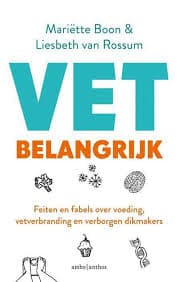
Want to read more about fat? Read the book “Fat Important” by Mariette Boon and Liesbeth van Rossum.
Lifestyle tip #3 to lower your high blood pressure: Stop smoking!
Quitting smoking is a clear step, because smoking affects many diseases. Every cigarette you smoke immediately increases your blood pressure, albeit temporarily.
In addition, the chemicals in tobacco damage the inside of your veins. This can cause arteries to narrow, causing your blood pressure to increase.
Be careful – 2nd hand and now 3rd hand smoke is just as bad! 3rd hand smoke are dust particles that end up everywhere and contaminate the room in which smoke has been smoked. These particles rise again through movement and remain dangerous.
Quitting smoking is terribly difficult. I know - as an expert by experience, I have stopped at least 10 times, the last time being 20 years ago. Eventually I became convinced that every stroke, every puff was doing terrible things to his body. I immediately linked every pain to the consequences of smoking.
It is of course not only a very unhealthy but also an extremely unappetizing habit. Dirty breath, dirty fingers, dirty smells in the room and on your clothes. It's terrible when you wake up the next day and smell those musty clothes again. Just stop it, what are you doing to yourself and those around you.
The best way to quit is completely and immediately, without looking back. But that's easier said than done. You have to be ready, you have to experience a “burning platform”. Sometimes it comes from within. The feeling that you are making yourself sick. Sometimes that comes from outside. For example, because you are having children. Sometimes because you get a serious illness and there is no other choice.
In all cases, I think it would be a good idea to replace smoking with something that is the opposite of smoking. Something very healthy that will stop you from having another cigarette. For example, exercise at the same time. Join an association – fitness is nice, but maybe you can do something in a club. Racing cycling or jogging, for example, is nice and accessible and in the open air.
Lifestyle tip #4 to lower your high blood pressure: Limit your alcohol consumption
When it comes to alcohol, you need to find a healthy balance. One drink a day for women or two for men won't do any harm. Drinking larger amounts of alcohol can actually increase blood pressure.
Drinking larger amounts over a longer period of time can damage your heart, liver and brain. We are all pretty much familiar with that by now. I think more will be discovered in the coming years about the effects of even small amounts of alcohol. Is alcohol becoming “the new smoking”?
Personally, I like to drink a glass of wine. Or a gin and tonic. Where I create an art form from the types of gin and tonic that I combine. And the herbs and vegetables that go with it. Delicious. Now I travel a lot and have many social obligations that often involve eating and automatically bringing drinks to the table.
I don't know about you, but the alcohol goes straight to my waist. Yes, where the “wrong fat” in particular collects. Unsustainable, especially when you reach middle age. You can't get it off easily anymore. I have therefore developed the habit of preferably only drinking on Fridays and Saturdays and "fasting" the rest of the week.
This makes a glass of alcohol special again and an exception instead of the standard. As it should. Do you see it as a bit of pampering? Save it for special occasions.
What if it's your way out. Your flight behavior? How do you deal with that? That is very difficult. You have to look again for something that can replace alcohol. Smoking and aggression is not a solution. You have to think of something else. I would look for it in exercise, mindfulness and making social contacts.
Lifestyle tip #5 to lower your high blood pressure: Learn to deal with tension and stress
Do you regularly suffer from stress? Stress is one of the major factors behind chronic inflammatory reactions in your body, which lead to all kinds of health problems, including higher blood pressure. Find a way to deal with it.
But how do you do that? For me, stress often has to do with worries about the future. I look further ahead, realize that there are a lot of things coming my way, and I feel the pressure physically increasing. In my back, in my muscles, you name it.
Nowadays we live in a very fast world where everything is in motion, visible and transparent through the internet and social media, with many choices and possibilities and where there are hardly any places of shelter. We are all in a flow that seems to be going faster and faster.
It is a good idea to keep perspective and put your energy into things that really matter. I do that during my morning walk through the Eempolder. When I start the walk, my head is still full of a tangle of thoughts. But as I walk further into the polder, peace and perspective follow.
During my walk I reconsider what is really important in my life and try to identify things that give me stress and put them into perspective. I make a plan for the day and the week with a few concrete things that I want to tackle.
Others sit and meditate on a bench in the garden or in front of an altar. Sitting still is not my best side. And many people around me follow the Wim Hof method, you know, the Iceman. They do breathing exercises and sit in ice water. Ultimately, it doesn't matter what you do, as long as you reset yourself in the moment.
I've discovered that what causes the most stress are often difficult things that I push aside instead of tackling. “Eat that Frog”. That is a nice book that I recommend you read. Start your day by getting rid of the toughest things you dread the most. You will see that this gives you a lot of peace.
More general information about blood pressure
1 in 4 Dutch people have elevated blood pressure
Did you know that on average 33% of Dutch men and 20% of Dutch women aged 30 to 65 have elevated blood pressure (hypertension)?
The risk of high blood pressure increases as you get older. This is partly because the blood vessels become stiffer and less elastic.
The graph below shows how the percentage of Dutch women and men with high blood pressure changes with age (source: publichealthcare.info ).

Elevated blood pressure means that they have a blood pressure of which the upper pressure (so-called systole) is ≥ 140 mmHg and/or the lower pressure (so-called diastole) is ≥ 90 mmHg.
What exactly is blood pressure?
Blood pressure is determined by the amount of blood flowing through your others and the resistance the blood encounters. Here's what it boils down to:
The more blood your heart pumps and the narrower your blood vessels are, the higher your blood pressure becomes.
The pressure in your blood vessels is easy to measure. You can do this at your doctor's office or at home with a home meter. Preferably both. The measure of blood pressure is millimeters of mercury expressed as mmHg. Blood pressure consists of upper and lower pressure.
Would you like more general information about what blood pressure actually is? then click here .
Upper pressure (this is also called systole)
The upper pressure is the highest value that the blood pressure monitor indicates. This is the pressure in the vessels when the heart contracts. At that moment, the heart forces the blood forcefully into the arteries. The pressure on the vessel wall is then high.
Under pressure (also sometimes called diastole)
The negative pressure is the lowest value that the blood pressure monitor indicates. This is the pressure in the vessels when the heart relaxes. This happens between 2 heartbeats. The pressure that remains is called the negative pressure.
Another word for high blood pressure is hypertension. Too low blood pressure also exists. That's called hypotension.
When is my blood pressure too high?
You have normal blood pressure if your upper pressure is below 140 and your negative pressure is below 90 mmHg. Your upper pressure is especially important. The European Society for Cardiology (ESC) has treatment guidelines designed to deal with high blood pressure.

Is your blood pressure already a bit higher at a younger age? Then pay extra attention. The chance of developing high blood pressure later in life is therefore greater.
Is high blood pressure bad for my health?
Yes absolutely! An estimated 1,000 deaths worldwide occur every year 7.5 million people the consequences of high blood pressure. That is 12.5% of all people who die annually.
Even without experiencing symptoms, damage is being done to your body. With high blood pressure, your blood vessels are constantly under high pressure. This can damage your heart and other organs, such as your eyes and kidneys.
The high pressure can damage the walls of your blood vessels. As a result, substances such as cholesterol can accumulate that can later crumble and release. Your blood vessels become narrower, and your risk of a heart attack or stroke increases.

With high blood pressure, the heart has to work harder to pump blood. Your heart muscle then becomes thicker and stiffer. The pumping force decreases and heart failure may develop.
Depending on your age, every increase of 20 mmHg upper pressure and 10 mmHg lower pressure can double the risk of cardiovascular disease.
High blood pressure therefore entails major risks.
If you have high blood pressure and are also pregnant, it can also have consequences for your unborn child:
Increased blood pressure during pregnancy can lead to a greater risk of pregnancy complications, such as growth retardation, premature birth and pre-eclampsia.
How do I find out if I have high blood pressure?
That's the bad thing! You can have high blood pressure for years without noticing it. You often only discover it by chance at the doctor's office during a regular examination.
Blood pressure is quick and easy to measure. So just take this with you every time you visit the doctor. And if you don't come there often, at least visit every year. You can also do it at home, there are good devices for it on the market.
If you have seriously or long-term elevated blood pressure, you may experience the following symptoms:
• headache
• fatigue
• nausea and vomiting
• shortness of breath
• restlessness
• blurred vision
If you have these complaints, please contact your doctor. Then you can see there whether this is indeed related to your blood pressure. Does it indeed appear that you have high blood pressure?
Then your doctor will also go to you other risk factors for cardiovascular disease to look. These include smoking, high cholesterol, diabetes and obesity. Based on this, the doctor will give advice about your lifestyle. And if necessary you will receive medication.
What causes high blood pressure?
This cannot always be determined: in 9 out of 10 people with high blood pressure, the cause is unknown.
Is high blood pressure hereditary? Dozens of genes have been discovered that are linked to hypertension, so there is a possible degree of heredity. Yet high blood pressure was rare among ancient tribes. While in recent decades we have seen a high blood pressure explosion in Western countries. Heredity therefore does not seem to be the main cause.
Diet and lifestyle are seen as important and perhaps even the most important factors behind high blood pressure.
Who is at higher risk for high blood pressure?
Women with high blood pressure during pregnancy have a 4 times higher risk of high blood pressure later in life. This is especially true for women with preeclampsia or HELLP syndrome.
Read what omega-3 can do for you and your child in our pregnancy blog .
Many women become after the transition heavier. This can also increase blood pressure.
It's rare though some conditions can cause high blood pressure. This can occur, for example, with diseases of the kidneys or adrenal glands. Sleep apnea or an underactive thyroid can also be a cause. Taking some medications can also increase blood pressure. This is then stated as a side effect on the package leaflet. That is why your doctor always conducts further tests if you have high blood pressure.
Predisposition can play a role in the development of high blood pressure. This is more common in some families than in others.
Before you start improving your blood pressure values with all kinds of lifestyle advice, it is important to rule out that your poor blood pressure values are not caused by a medical condition that has nothing to do with your diet or lifestyle.
When are you going to use medication?
If your upper pressure is 180 mmHg or higher, your doctor will almost always prescribe medication to quickly bring your blood pressure below 150 mmHg.
You will not always receive medication if your blood pressure is between 140 and 180 mmHg. Your doctor will first want to investigate what your condition is risk of cardiovascular disease is. If he determines that you fall into the “high” or “very high risk” category, medication is often necessary. With “low risk”, lifestyle adjustments are usually sufficient.
Your risk is high if you already have cardiovascular disease or diabetes, for example. Other risk factors such as smoking, high cholesterol or obesity also play a role. In addition, your age, gender and cardiovascular disease in the family also count. The GP therefore looks at the whole picture.
Antihypertensive medication suppresses the symptoms of the disease. There are different types of medications, each with its own range of side effects. This includes fluid retention, mild palpitations, intestinal complaints, headache, dizziness, gum problems, etc.
It is therefore advisable to do everything you can to stay away from medications for as long as possible.
Frequently Asked Questions
Question: What causes high blood pressure?
Answer: Diet and lifestyle are seen as important and perhaps even the most important factors behind high blood pressure.
Question: How do I know if I have high blood pressure?
Blood pressure is quick and easy to measure. Take this with you every time you visit the doctor or purchase a blood pressure monitor yourself.
Q: Is high blood pressure harmful to my health?
With high blood pressure, your blood vessels are constantly under increased pressure. This can damage your heart and other organs, such as your eyes and kidneys.
Question: What can I do about my diet to lower my high blood pressure?
Answer: Eat more oily fish, reduce salt in your diet, add potassium and magnesium and reduce carbohydrates and sugars.
Question: How does oily fish contribute to healthy blood pressure?
Answer: Oily fish contains healthy fish oil containing valuable omega-3 fatty acids. If you prefer not to eat oily fish, take a good supplement.
Source:
- Mayo Clinic – High Blood Pressure (hypertension) section
- WebMD – Omega-3 fish oil supplements for heart disease
- GOOD – Omega-3 can significantly reduce blood pressure, study finds. Fish oil consumptions meets or exceeds the effect of other lifestyle changes (March, 2014)
- NCBI, JAMA – Fish intake, contaminants, and human health: evaluating the risks and the benefits (Mozaffarian, Rimm, October, 2006)

Comments (0)
There are no comments for this article. Be the first one to leave a message!