

 Op werkdagen voor 21.00 besteld, morgen in huis
 Gratis thuisbezorgd vanaf € 90,-
In this blog I give you detailed information about the importance of daily omega-3 intake for the normal development and functioning of our brains.
Important brain facts
Our brains consist largely of fat. In fact, within our body, our brains contain the highest percentage of fat.
As much as 60% of the dry weight of the brain consists of fat. And more than 35% of this consists of polyunsaturated fats. The majority of it consists of omega-3 fatty acid DHA and omega-6 fatty acid arachidonic acid (AA).
These are important structural components of brain cell membranes. They are also an important part of the enzymes in cell membranes that allow valuable nutrients to be transported in and out of cells.
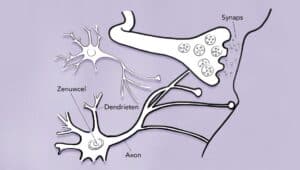
Omega-3 plays an important role in developing nerves, making connections between nerves, growing dendrites (signal receivers) and maintaining other important processes including blood supply to the brain.
A continuous supply of omega-3 is needed for the building, structure, functioning and maintenance of our brains.
Brain: construction and maintenance
Neurotransmitters are messengers that carry information from one brain cell to another, kind of like sparks flying across the gap between nerve cells. The different messengers are like keys.
Each cell membrane contains a series of locks. For proper communication and functioning of the brain cells, the keys and locks must match. When the cell membrane is unhealthy because it is made of the wrong type of fatty acids – for example an excess of omega-6 or saturated fatty acids – then the keys do not fit, and brain function suffers.
Omega-3 fatty acids ensure good fluidity and flexibility of the cell membranes, which facilitates the cell's communication with the outside world and transport through the membrane.
Brain development mainly takes place in the last 3 months of pregnancy and in the first two years of life. And comes to a standstill towards the end of our twenties. Just like our body cells, our brain cells are continuously renewed.
We therefore need a continuous flow of the omega-3 fatty acids EPA and DHA at the start but also throughout our lives to properly support the development of new cells.
Omega-3 is very important for the normal functioning of your brain
Omega-3, and in particular the omega-3 fatty acid DHA, is so important for normal brain function that the following health claims are permitted by the European Food Safety Watchdog EFSA:
Permitted health claim: DHA is an important building block of the brain and contributes to the maintenance of normal brain function.
The prerequisite is a daily intake of 250 mg DHA.
Because the building and development of the brain takes place in the womb, the EFSA emphasizes the importance of omega-3 intake during pregnancy:
Maternal intake of omega-3 fatty acid DHA contributes to normal brain development in the fetus and breastfed infants.
The requirement is a daily intake of 200 mg DHA in addition to the recommended general daily intake for adults of 250 mg DHA and EPA.
Pregnancy can lead to an omega-3 deficiency in the mother
During pregnancy, proteins ensure that sufficient omega-3 and omega-6 fatty acids are transported from the mother to the fetus.
These proteins are controlled in such a way that they provide an omega-3 content of between 8 and 9% in the cell wall of the unborn child, regardless of the omega-3 level of the mother.

Within Europe, the expectant mother is recommended to take at least 450 mg EPA & DHA daily. In practice, this guideline appears to be followed very poorly.
If the mother's omega-3 content was low at the start of pregnancy and/or if the mother did not consume enough omega-3 during pregnancy, the result is a extremely low omega-3 index after birth .
Low omega-3 levels and high levels of inflammation in the brain are associated with a higher risk of postpartum depression for the mother in the period after the birth of a child.
You only get Omega-3 through your mouth!
Omega-3 fatty acids are essential fatty acids. That means we need them to live. We cannot produce them ourselves, so we must get them through our diet.
There are roughly 3 types of omega-3 fatty acids: ALA, EPA and DHA. The last 2 are also called omega-3 “fish fatty acids” because they can only be obtained from oily fish or sea algae. It is these fish fatty acids that are important for our brains.
Our body produces only a very limited amount of EPA from ALA (about 8% depending on the person). And the conversion of EPA to DHA is even less easy (less than 3%).
An outdated but still widespread and persistent misunderstanding (particularly important for vegetarians) is that you can make the omega-3 fish fatty acids EPA and DHA yourself from the vegetable omega-3 fatty acid alpha-linolenic acid (ALA).
This misunderstanding takes on a life of its own among health professionals, within the food industry and in government agencies.
So you will have to eat oily fish to meet your omega-3 needs.
On average, you need to eat a large portion (1 herring contains sufficient fish oil for approximately 1500 mg EPA & DHA) of oily fish 2-3 times a week to feed your brain with sufficient fatty acids.
To make that easy for you, we have developed a beautiful recipe book:
[cboxarea id="cbox-Vu95W37UCFEK0iew"]
If you don't like oily fish, find a good one high-quality omega-3 supplement . Look here for one overview of supplements on the Dutch market .
Are you vegetarian or vegan? then look here for a high-quality omega-3 supplement based on algae oil.



Comments (0)
There are no comments for this article. Be the first one to leave a message!